

You come downstairs after a storm and the air feels heavy. There is a damp, earthy smell that was not there before. That smell is your basement telling you something changed.
It usually means moisture found its way in, and moisture is the first ingredient mold needs to grow.
What Causes That Musty Smell
Basements sit below grade, so they naturally hold more moisture than the rest of your home. Heavy summer rain pushes water toward your foundation. That water can seep through small cracks or porous concrete block.
Once moisture builds up, it settles into carpet, drywall, and stored belongings. Organic materials like cardboard and wood soak up that moisture fast. As mold spores land on damp surfaces, they release the musty odor you are smelling.
Humidity plays a role too. Warm outdoor air holds more moisture than cool basement air. When that humid air meets a cooler surface, condensation forms. This creates the same damp conditions that invite mold growth, even without a visible leak.
Basements are not the only below-grade space at risk. Crawl spaces trap moisture the same way, often out of sight until the smell reaches the floor above.
Is a Musty Basement Always a Mold Problem
Not every musty smell means active mold growth. Sometimes it is simply high humidity with no visible colonization yet. Other times it points to off-gassing from older carpet, adhesives, or paneling. If off-gassing seems likely, VOC testing can identify the source. A musty smell after rain is still a strong early warning sign either way. Waiting to investigate gives mold more time to spread behind walls and under flooring.
Why Jersey Shore Basements Are Especially Prone to This
Coastal humidity makes this issue more common along the Jersey Shore than in many inland areas. Homes in Ocean County often sit close to a high water table, which pushes groundwater toward foundations after heavy rain. Older homes across Atlantic County can have aging foundation seals that were never designed for today’s storm patterns.
Combine that with salt air and summer humidity, and basements become a natural gathering point for moisture. A single hard rain can undo weeks of dry conditions in a matter of hours. For a deeper look at this pattern, see why Jersey Shore homes see more mold overall.
What to Do If You Notice the Smell
A few steps can help you manage the problem while you figure out its source.
- Run a dehumidifier to pull excess moisture from the air.
- Check window wells, gutters, and downspouts for proper drainage away from the foundation.
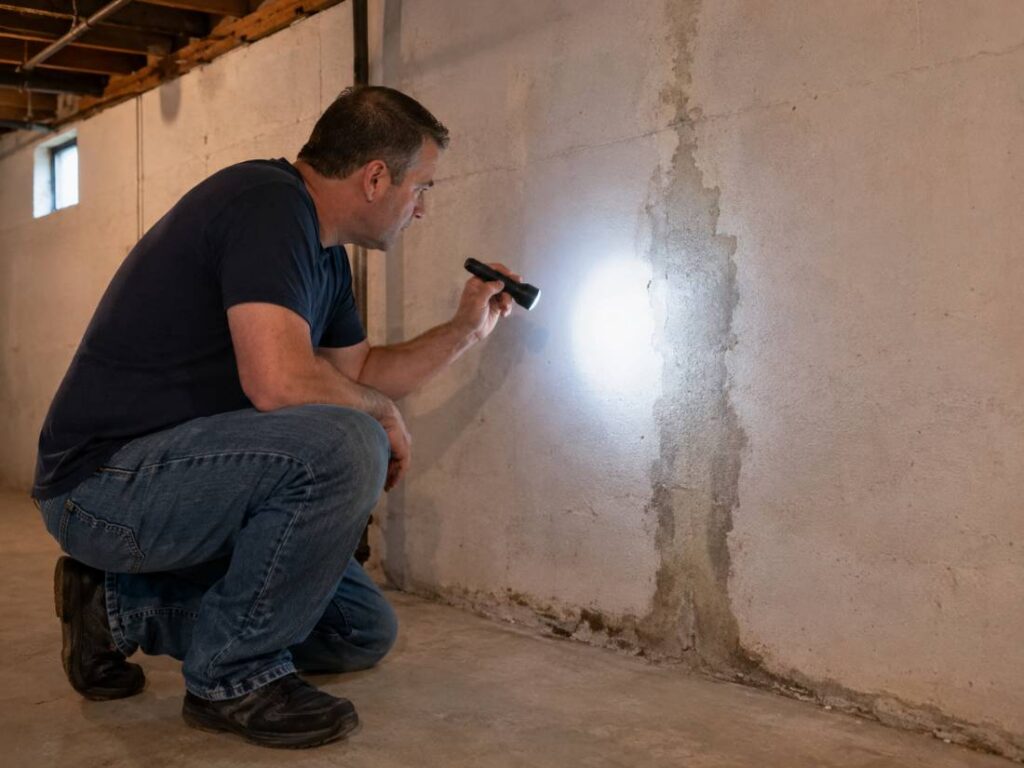
- Look for water stains, efflorescence, or peeling paint on basement walls.
- Move stored boxes and furniture away from exterior walls.
- Avoid painting or sealing over any suspicious staining you find.
Painting over a stain can trap moisture underneath. That often makes hidden mold growth worse instead of solving it.
When to Call a Professional
If the smell lingers after a few dry days, it is worth having the space inspected. A professional mold inspection identifies moisture sources you cannot see from the surface. It also confirms if mold spores are present in the air, not just visible on a wall.
What a Professional Inspection Involves
A certified inspector checks humidity levels, moisture readings in building materials, and airflow patterns. Testing can reveal spore levels even when no mold is visible yet. This gives you a clear picture before any mold removal work begins.
MasterTech Environmental Jersey Shore has served Monmouth County and neighboring communities since 2017. Every remediation project includes a 5-Year Mold Free Warranty for added peace of mind. MasterTech is also a BBB A+ accredited business, backed by a track record homeowners can verify.
Frequently Asked Questions
Mold can begin growing within 24 to 48 hours once surfaces stay damp. Fast drying and dehumidifying reduce that risk significantly.
A dehumidifier helps manage humidity, but it will not fix an active leak or existing mold growth. It works best alongside a proper moisture source investigation.
Not always, but a smell that returns after every rain is worth testing. Testing confirms what is actually in the air, rather than guessing.
Prolonged exposure can trigger allergy symptoms and respiratory irritation in sensitive individuals. Addressing the source quickly reduces that exposure.
If your basement smells musty after every storm, do not wait for it to get worse.