A new federal study is changing how experts talk about mold and health. Published this week by the Centers for Disease Control and Prevention, the report tracked severe mold infections across four Atlanta hospitals over five years.
The results suggest these infections happen more often than doctors previously realized, and they carry a troubling death rate. For Jersey Shore homeowners, the study is a good reminder that mold deserves attention long before it becomes a crisis.

What the CDC Study Actually Found
Researchers reviewed nearly 1,000 potential cases at four hospitals between 2020 and 2024. About 450 were confirmed as invasive mold disease, a rare but serious infection that develops when mold spores get into the lungs, sinuses, or bloodstream. Roughly a third of those patients died in the hospital. Hospitals in the study saw between three and five cases per year for every 100 inpatient beds, a rate researchers had never been able to measure before.
Most patients had weakened immune systems from cancer treatment, organ transplants, or other conditions. A notable share had recently recovered from COVID-19, which appears to raise the risk further. As ABC News reported, CDC researcher Dr. Jeremy Gold called it the first real benchmark for how often these infections occur in a hospital setting.
Why This Study Matters Beyond the Hospital
Invasive mold disease is different from the mold problems most homeowners deal with. It typically strikes people with serious underlying health issues, not otherwise healthy adults living in a home with a musty basement. Even so, the study points to a bigger truth worth taking seriously. Mold spores are everywhere, and exposure adds up over time.
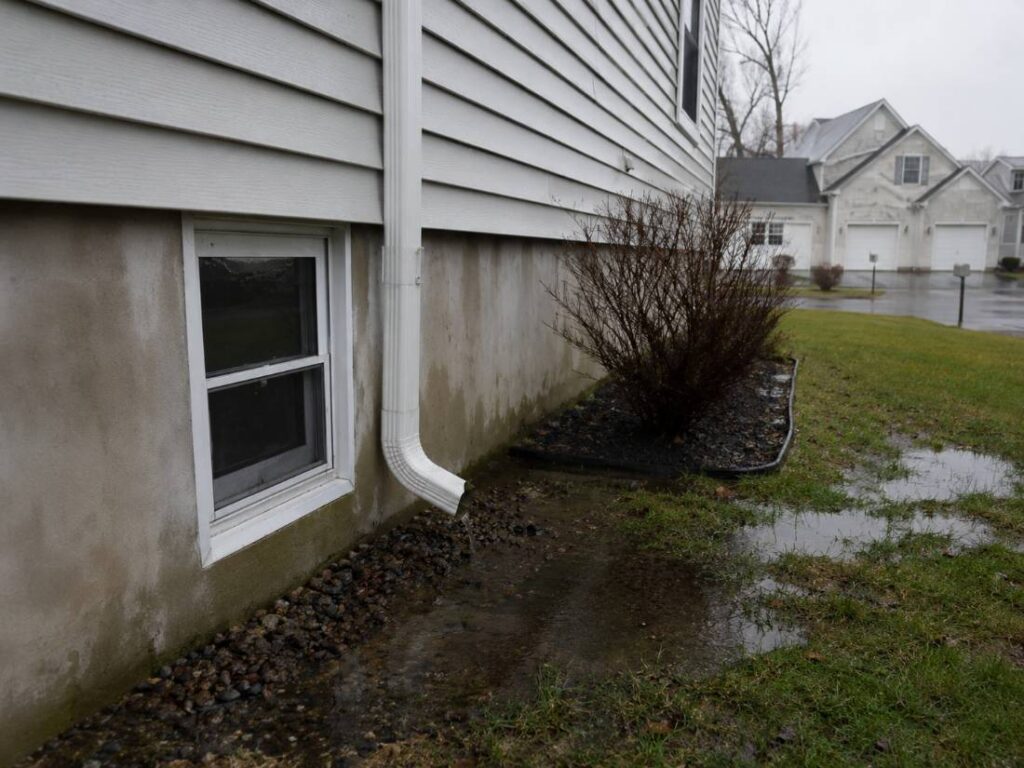
Researchers also flagged a trend that affects coastal New Jersey directly. As FOX 32 noted in its coverage, flooding, storms, and other disasters tied to a changing climate create ideal conditions for mold growth. Homes along the Jersey Shore already deal with high humidity and frequent moisture intrusion. That combination means mold problems here can develop faster and spread wider than in drier inland areas.
Who Faces the Highest Risk
The CDC researchers noted that certain groups face a much higher risk of serious complications from mold exposure. These include older adults, people undergoing cancer treatment, transplant recipients, and anyone with a compromised immune system. Households with young children, pregnant family members, or residents managing asthma or chronic lung conditions should also stay alert to indoor mold. Even without a severe infection, ongoing exposure can worsen allergies and respiratory symptoms over months or years.
What This Means for Your Home
You do not need to panic over a study focused on hospitalized patients with serious illness. You do need to take mold seriously as a health and property issue, not just a cosmetic one. A few practical habits go a long way toward reducing your exposure.
Keep indoor humidity below 50 percent whenever possible, since mold struggles to establish itself in drier air. Fix leaks quickly, including small ones behind walls or under sinks that rarely get noticed.
Ventilate bathrooms, kitchens, and laundry areas so moisture does not linger after everyday use. Inspect crawl spaces and basements a few times a year, since these areas often develop hidden mold before anyone smells or sees it.
Signs You Should Not Ignore
Certain warning signs suggest mold has already taken hold and needs professional attention. A persistent musty smell, visible discoloration on walls or ceilings, or family members with unexplained respiratory symptoms all warrant a closer look. Recent water damage from a storm, roof leak, or plumbing failure also raises your risk significantly, even if everything looks dry on the surface.
When to Call a Professional
DIY cleaning works fine for small, isolated spots on hard surfaces. Anything larger, hidden, or tied to a health concern calls for certified testing and remediation. A professional mold inspection identifies not just visible growth but the moisture source feeding it, along with lab-confirmed spore counts you cannot get from a home test kit. If mold is confirmed, proper mold removal involves containment and HEPA filtration to keep spores from spreading during the cleanup itself.
Homeowners with ongoing symptoms or unexplained illness sometimes benefit from more detailed analysis, including mycotoxin testing to identify specific toxin-producing mold species. This step matters most for households already managing a compromised immune system or chronic respiratory condition, where standard mold testing alone may not tell the full story.
Frequently Asked Questions
Invasive mold disease almost always affects people with significant underlying health conditions. Typical household mold exposure is far more likely to cause allergy symptoms, coughing, or respiratory irritation than a life-threatening infection. Still, reducing exposure protects everyone in the home, especially vulnerable family members.
Mold can begin growing within 24 to 48 hours in the right conditions. Coastal humidity accelerates that timeline, which is why fast water damage response matters so much for shore properties.
Store-bought kits can detect mold spores, but they rarely identify species or locate the moisture source causing growth. Professional testing gives a clearer, more actionable picture of what is happening inside your walls, floors, and crawl spaces.
Avoid disturbing the mold yourself, since cleaning can release more spores into the air. Contact a certified remediation company for safe containment and removal, and consider mycotoxin testing if symptoms persist.
The Bottom Line
This CDC study underscores something remediation professionals have said for years. Mold is not just an eyesore behind drywall or under a sink. Left unaddressed, it can affect the people living around it in ways that build up slowly and quietly. If your home has a history of moisture problems, storm damage, or a musty smell that will not go away, now is a good time to get it checked out.